Gur-Emir



Gur-Emir
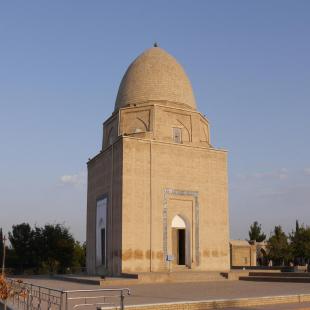
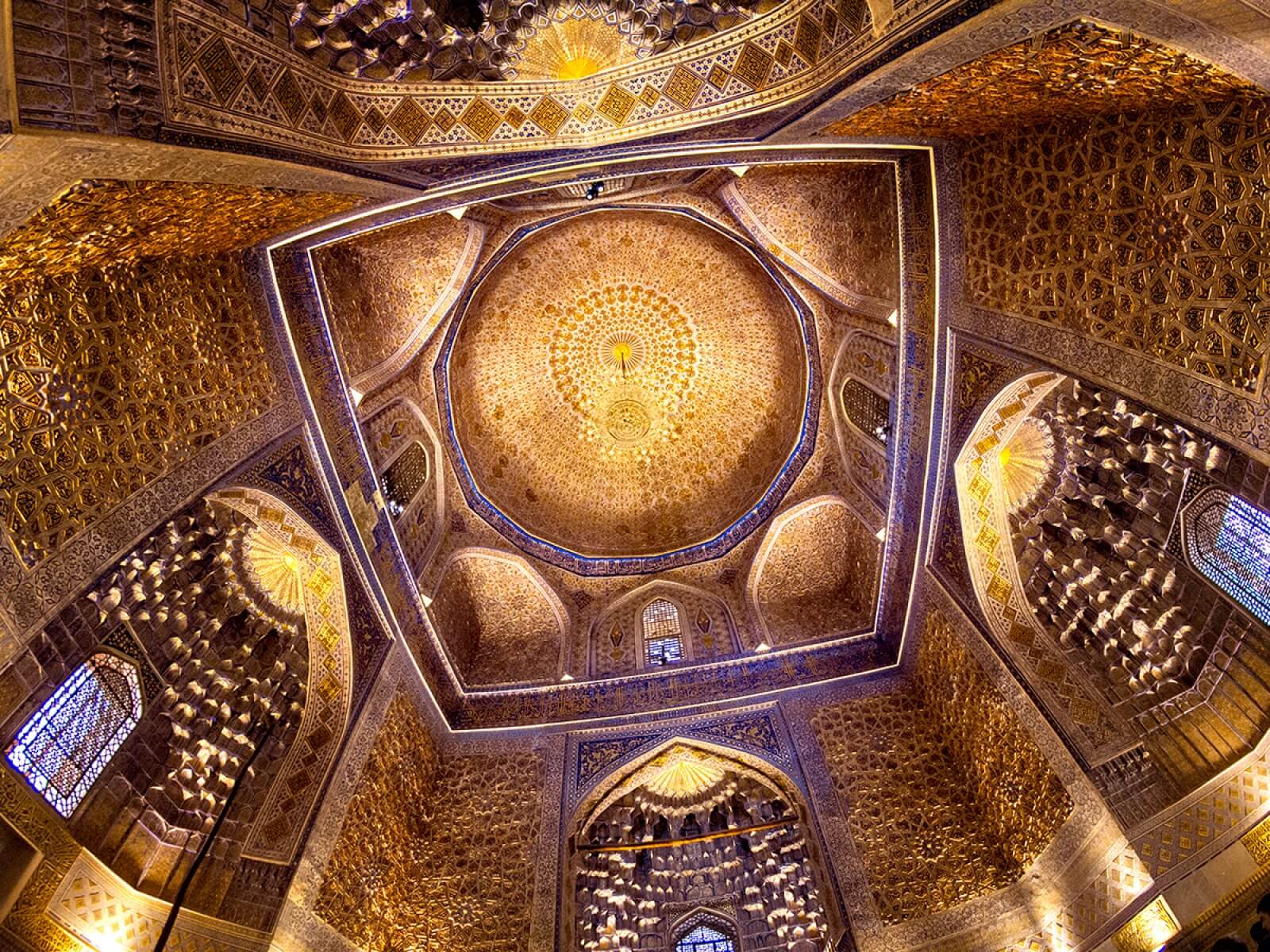
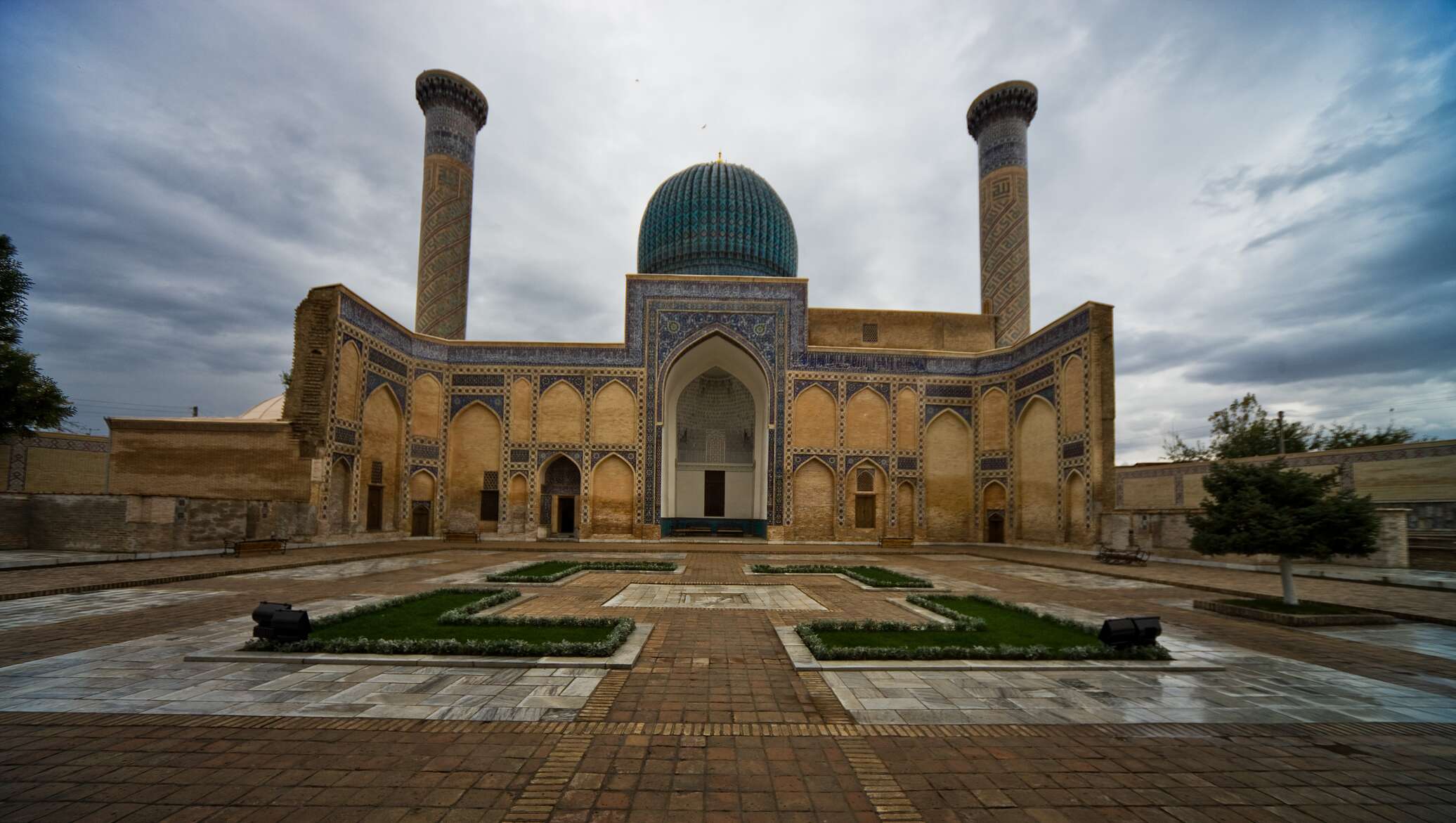
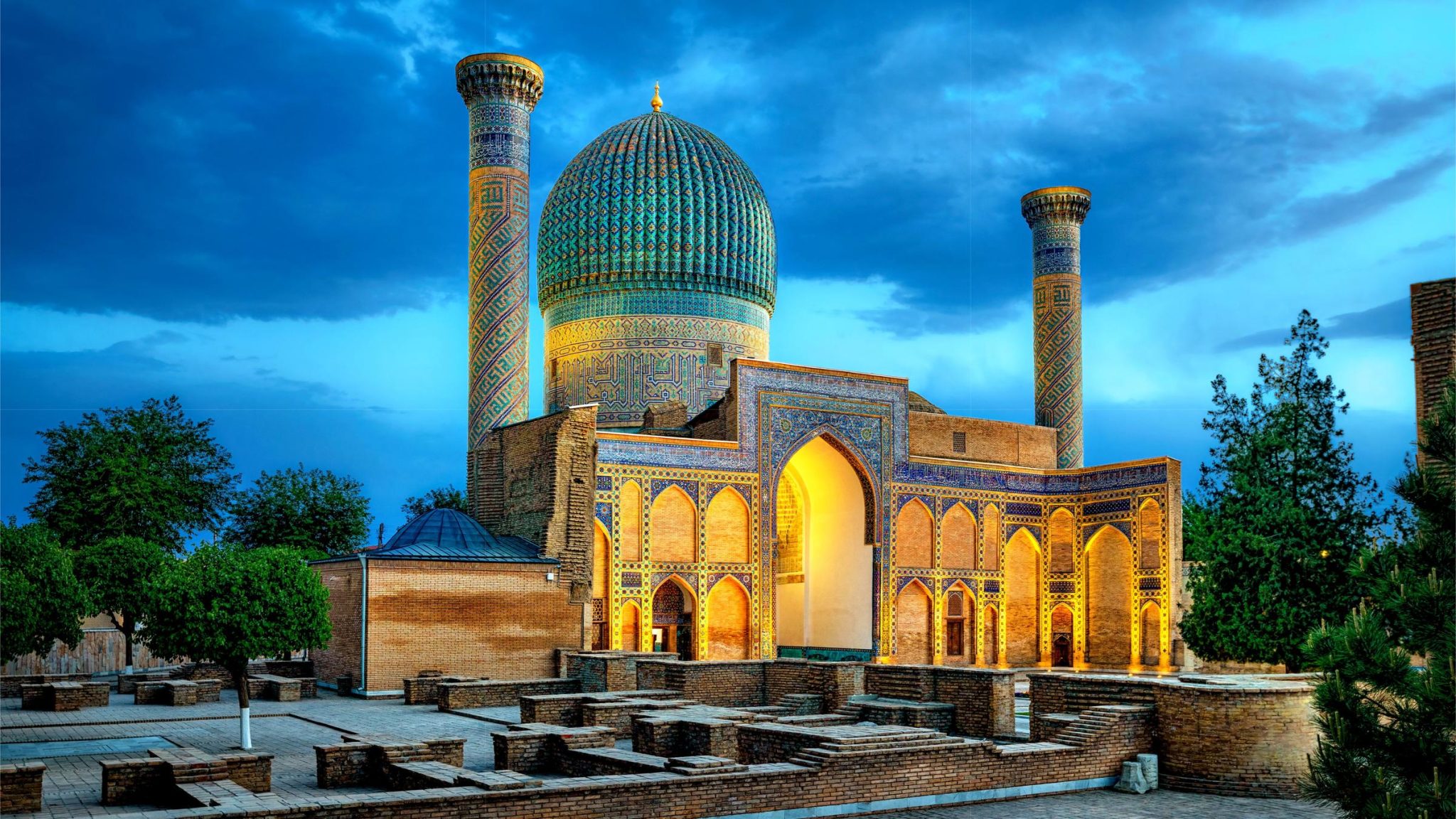
The Gur-Emir Mausoleum, which translates from Persian as "Tomb of the Emir," looks like a fairy-tale palace: a massive dome with the illusion of a starry sky, walls adorned with golden patterns and sparkling gemstones, and a golden band running along the perimeter with Arabic calligraphy quoting the Quran—such beauty truly leaves you speechless.
The mausoleum houses the remains of Amir Timur (Tamerlane), his sons Shahrukh and Miran Shah, his grandsons Muhammad Sultan and Mirzo Ulugh Beg, as well as Tamerlane’s spiritual mentor and teacher, Mir Said Baraka.
The tombstones in the main hall are merely decorative; the actual burials are in the lower crypt, entry to which is strictly forbidden due to the so-called "Curse of Tamerlane." According to legend, disturbing the tomb brings misfortune.
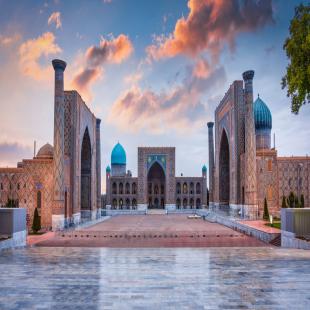
Visit the mausoleum around 5:00 PM to enjoy the views without the crowds of organized tourist groups and to admire the glow of onyx on the walls. If possible, return after sunset—the lighting beautifully highlights the architecture. Even the mausoleum’s caretakers wonder why everyone flocks to see Registan at night but rarely visits Gur-Emir.

Gur-Emir. The glazed stalactites above the entrance, a characteristic feature of Islamic architecture, mimic the natural stalactites found in the cave of the Prophet Muhammad. (Photo by the author.)
Not far from the mausoleum stands a monument to Amir Timur, inscribed with the dates of his life: Timur was born on April 9, 1336, in the village of Khoja-Ilgar near the city of Kesh (now Shakhrisabz, Uzbekistan) and passed away on February 15, 1405, during his campaign to China.